Voyagons
  • About
  • Guest Content – Making a Home Abroad

    Hey there! Jeff here. I’m Savannah’s husband- she’s mentioned me in an article here and there, but this is my first contribution to the site. I grew up in Maryland and got the chance to travel quite a bit with my family early on. I didn’t get the chance to leave the country until well into college- I’ll be writing about things abroad, but a lot of my content will be US-based. Given our time in Italy though (oh yeah, we moved abroad- did we mention?) that’s my starting point. I’m excited to share my experiences here and hope you’ll come along for the ride!


    For me, growing up, the definition of “home” was pretty fixed. My parents bought their house two years before I was born, and they still live there today. We had our idyllic little sanctum, and I took that consistency for granted. When I left home, I never really left “home:” I moved to DC, but I still had a job in my hometown, and it was only a 45-minute drive to the surroundings I’d always known. Even if the view was different when I first opened my eyes in the morning, I’d find myself in a city I had been visiting since I was a little kid. Nothing really shifted when I “left,” because I didn’t really leave. I didn’t get my first taste of challenging that idea until a few years ago.

    In 2016, Savannah and I decided we would take a nice trip for the post-Christmas break and go see Italy. My previous forays outside the States had been a blast but had always been to places I didn’t connect with at all. But I’ve been proud of my Italian heritage since I was a kid. I even jumped at the chance to learn Italian in high school and college. This was my first time going back to the land of my ancestors, and I was already excited when we booked our plane tickets. I’ve still got quite a bit of learning to do about my Italian heritage, but I know we have family that came from Salerno- so I was already waiting with bated breath for our first stop in Naples. But nothing could prepare me for what I experienced when we arrived.

    I’m a huge fan of the feeling of that first step into a new place. Seeing it out the window of the plane/train/whatever is one thing, but once you’re outside the feeling of a place just hits you. When I first went to Austin to meet some online friends for the first time, the step off the jetway was the beginning of my fostering of a stronger relationship. My first steps into Heathrow were my first into a foreign country and represented the promise I could find there. The first steps into Fiumicino had an air of something special, but it wasn’t until I first stepped off the train in Napoli Centrale that something just clicked inside me. I would find myself looking at the mundanities of my surroundings, be they a piece of graffiti on the street or the old men chatting with their morning coffee, and something inside me seemed to say “this is right. I belong here.” I’d never felt that before, and never quite felt it since.

    I know, I know. It’s such a trite thing to say, and I doubted myself a few times when I first pitched this piece. But honestly, I wouldn’t share this if it wasn’t completely true. In the time since, I’ve been able to see another seven cities around Italy, and while I love this country dearly and have enjoyed all of those cities, Naples was the only city outside the DMV [ed note: the DMV is an abbreviation for DC, Maryland, and Virginia that locals use for the DC metro area] that seriously felt like home. New Orleans, Austin, London, Rome, New York- I love them all and can’t wait to see them again, but they’re not home to me. It feels like a subtle distinction, but in essence, it’s a cavernous gap. Getting an espresso in Milan, say, I find myself looking forward to the chance to come back and do it again. But getting one in Naples, I don’t ever want to leave. There’s such a strong sense of belonging. Even then, it’s easy to write that off as just the love of seeing a new place, but that’s the thing- it never left. Every day in Naples I found myself just growing to love the city more and more and more, and it never waned. When we left Naples for Rome, even while enjoying the new city, a part of me wanted nothing more than to go back to Napoli. I haven’t been able to realize that dream yet, but I still have a drive to see that dream come to fruition.

    On the other hand, circumstances coalesced last year to force us to move and figure out what building a life overseas really would be like. While we did end up back in my beloved Italia, it was less of a planned decision on our part and more the need to take a chance that we couldn’t pass up. Savannah got into a graduate program here, so time was of the essence- we were taking a leap, one that took us both well outside our comfort zones. And, of course, this all has to happen in the midst of a pandemic, so that certainly casts a shadow over everything we do. But in the end, we ventured forth and first settled in Bologna. (We’ve since moved on- stay tuned for further tales!)

    As excited as I was/am to start an Italian life, the more permanent feeling of leaving everything behind hits harder than I expected- like I said, this is my first long-distance move. On top of that, even if it is still Italy and only a 6-hour train ride from the city of my dreams, I don’t feel that same connection. Our overarching feeling upon arrival was an equal mix of hope and the relief of leaving the gloom of the US behind (this was August 2020, for reference). It’s not as potently optimistic a feeling as the promise of a new life on vacation. That said, given time, I’ve come to realize that as long as your heart’s in it, anywhere can become home.

    The routine of a neighborhood is the biggest help there is. Once your bags are unpacked and your job/school/whatever has started up, you can get back to the most familiar aspect of home there is: the neighborhood. Eventually, you’ve got to pick your places- your coffee shop, your bodega, your grocery store, your bar, what have you. Vacation is a time for seeing something new every day- home is the land of familiar comforts. Even in the time of COVID, the Italians are a people who enjoy what they enjoy, so there are ample pickings for finding your new usual haunts. And as the case may be, re-picking said haunts. (We’ve been through three usual coffee spots already. In the end, our top spot was Rossofuoco, a solid immigrant-run spot by Porta Lame- you won’t be disappointed.)

    Overall, life abroad has reinforced the ubiquity of modern comforts to me. For all of the regional/national differences that we have to prepare for in going to a new place, there’s quite a bit about life that translates across nations. You might be using a different contraption to do it, but it’s still making a cup of coffee in the morning. The plug might be different, but the TV in your living room is still a TV. The people in the neighborhood are speaking a different language and eating different food, but they’re still just looking for a fun evening in their town. Given the structure of Savannah’s program, we moved again, so we get to review this process anew in Brussels. Look for Part 2 when that comes- until then, what are your thoughts on finding and cultivating a new home abroad? I’m curious to hear from others how their experiences have been on this front.
  • My Favorite Resources for Finding the Best Prices on Flights

    After traveling internationally for over 10 years now, I wanted to share with you all my favorite resources and strategies for finding the best prices on flights. And, if you make it to the end of the article, you’ll find the best deals I’ve scored on international flights.

    So, first things first, if you are a child, student, youth, or senior, make sure you are taking advantage of the discounts available to you. When looking at different aggregators, make sure to tick the box which applies to you, these discounts can be as much as 50% off the original fare, or you might get access to otherwise unadvertised fares specifically available to folks in your age group. You can always sign up with your airline of choice to get these discounts, but if you’re looking for an aggregator service to combine all of the discounts across airlines, I would recommend Student Universe or AARP.

    For those who are more on the spontaneous side, or who have a destination in mind but may be a little more flexible on the timing of their journey, I would recommend signing up for a deals mailing list. These services usually have staffs who are regularly scouring the internet to find the best deals from your airport. I have booked so many of my transatlantic flights on a whim after getting a notice of a particularly good discount to a destination I wanted to check out. I’m a big Scott’s Cheap Flights fan, but there are tons of options out there that offer a similar service.

    But let’s say you aren’t in a special age class and you don’t have as much flexibility on the timing or location of your flights, you still want to make sure you get the best deal. If you have a little lead time on your flight (like more than 6 months), I would recommend using a service that will alert you when prices are best for your selected flight. I use Hopper and Skyscanner for this but have found Google Flights alerts have also come in handy for cross-checking prices.

    If you are ready to buy a flight now, I would recommend checking out an aggregator that will pull flights from several different airlines as well as from different discount providers. Google Flights and Expedia do this pretty well, but ever since an ex living in Sweden turned me on to Momondo, I haven’t looked back. What puts them over the top for me is the flexibility of their search engine – you can pick several different destinations at once, add flexible dates, and they scrape from a ton of sites to get you the lowest possible price.

    And to put this all in perspective, I want to share the least expensive flights I’ve been able to book using these services:

    • Student Universe helped me get to London and back in 2011 for my study abroad program. I was able to snag a $625 round trip flight on Iceland Air at a time when the average cost of a round trip flight from JFK to London was between $950 and $1400 (according to the CNN Money Article from the time)
    • Then, in 2019, my husband and I decided we wanted to go to Italy for a joint birthday holiday in October. I had budgeted $850 for each of us for a round trip ticket (which seemed ambitious at the time), but we ended up snagging our tickets at $528 per person!
    • But by far, the best fare I’ve been able to get since we started traveling is actually an upcoming trip. My in-laws let us know they wanted to do a beach week in early September with the whole family this year, so I’ve been keeping an eye on fares. But by some miracle, when I was searching through fares, I found round trip tickets from Brussels to Baltimore for €255 (~$280) per person!
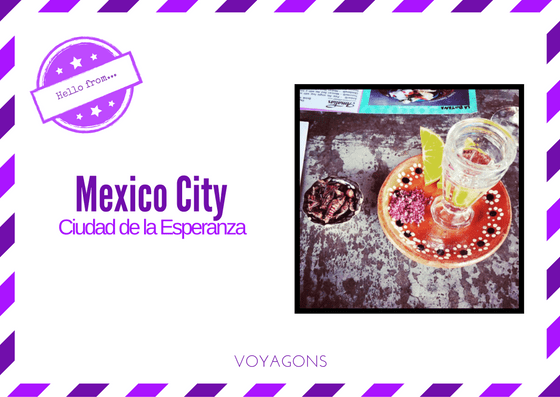
  • Hello From… CDMX

    Hi Everyone,

    Keith is back to regale us with his stories from a trip to Mexico City. I got some feedback that you all would like places mentioned in the article to be linked for more info, so we’re including that in the Hello From segments from now on. Enjoy!

    xx
    Savannah

    I had just finished a prayer at the Mexico City Metropolitan Cathedral when I noticed every other person in the building run for the exit. Thinking I’ve angered God, I stood still for a second until the alarms rang; then Luke and I followed the crowd. When we got outside, we saw people crying, men prayed and old women burned incense. We are scared and wondered what could happen. Then we looked at the buildings across from us swaying. Earthquake. A sigh of relief, a look around to see no damages and then a beeline for the Cantina to celebrate surviving another day. My friend Luke Proctor, an officer in the US army, and I took a long weekend to explore Mexico City – formerly called the “DF” and now known as “CDMX”. It’s only a 3.5 hour flight from my adopted home city of Los Angeles and it’s relatively cheap. We grabbed an Airbnb in Colonia Juarez and set out exploring. It was our first night when the earthquake struck, and that set the tone for the entire weekend.

    Mexico City cantinas are rowdy places. Most are slightly run down and patronized only by men. “A shot of Mezcal please, extra worm salt!” I yell to the short, dark skinned man behind the bar at La Opera. This is one of the oldest Cantinas in Mexico City, and only a couple of blocks from the Zocalo. In the ceiling 50 feet away is a bullet hole – shot by Pancho Villa “accidentally” over 100 years ago.  The thought of discharging a gun at a bar in 2018 is terrifying; but with 100 years between us and the incident, it’s a funny story. We have a lovely lunch of snails and octopus, trucked in from the Gulf of California daily and expertly seasoned with local spices. Other cantinas are more low key – the same mezcal and worm salt; minus the history and fresh seafood. Either way, the vibe is enough to make you forget your troubles.

    We next hit the Zocalo – the main square. We saw the cathedral, the Aztec ruins of the Templo Mayor and enormous murals painted by Diego Rivera, which depict various periods in Mexico’s history. We had dinner at Café de Tacuba; which was a beautiful “old Mexico” venue.

    Chilangos (as CDMX inhabitants are called) love to drink. The second night, Luke and I went out in Polanco, the upscale district in the Miguel Hidalgo borough, and linked up with some friends of mine who were celebrating a birthday. They ordered bottle service of high end tequila in one of the clubs. Clubs in Mexico City remind me more of those in Europe than those in the US. We all went out for late night tacos al pastor at El Chupacabra in the southern part of town.

    As one would think, Mexico City is the world capital of tacos. One can get excellent examples on the street for around 50 cents. Tacos guisado refers to tortillas topped with a pre-cooked filling, usually some sort of stew akin to empanadas in destinations further south. Also famous are tacos al pastor – pork cooked on a rotating trompo. Cheapest and more typical amongst chilangos, I’ve been assured by a local friend, is a simple bean taco.

    The ruins of Teotihuacan – a UNESCO World Heritage site – are very impressive. One has to drive through the whole city to get there. This gave me a sense of just how big Mexico City is, and you see the less touristy parts of town, including the barrios, where many chilangos live in poverty.. Many think these are Aztec ruins; but they are actually much older; built thousands of years ago. There are three pyramids, the Pyramid of the Sun, the Pyramid of the Moon and the Pyramid of Quetzalcoatl. The Pyramid of the Sun was actually to be larger; except the Mexican President Porfirio Diaz ordered the top of it dynamited to finish the excavation early.

    The next day, Luke and I went to La Merced market, in a more working class area of CDMX. The market was kind of like purgatory. You walk endlessly among things (garlic, peppers, underwear, socks) that you don’t really want; but there is some impetus to keep walking regardless. We had a great lunch at Don Chon nearby that served the “Pre-Colombian” fare of the region. We were eating escamoles (ant eggs), chapulines (grasshoppers), jumiles (stinkbugs) and meat of undetermined origin all afternoon.

    We then checked out a pulqueria, which serves pulque – an alcoholic drink made by fermenting the sap of the agave plant. This is much thicker and harder to drink than tequila or mezcal which are made from fermenting the heart of the agave. Some report that it makes one hallucinate; but Luke and I drank it all day with no such effects.

    We wake up and the lights are way too bright and my head hurts, so Luke and I decide to catch a Lucha Libre match. This is a classic display of Mexican machismo culture. Wrestlers don various personas and proceed to fight in the ring. There are pretty boys, clumsy comic-relief figured and mysterious villains. Scantily clad cheerleaders mark the start of every round; and there’s even an all-female match. It’s a great way to kill an afternoon and to wrap up our trip. We leave for the airport with a new appreciation for Mexican culture and cuisine and can’t wait until we’ll be stepping back into the City of Hope.

  • My Best Maximalist Packing Tips

    One of the biggest dilemmas I usually face in traveling is packing enough for my trip. I’m someone who can be utterly indecisive, so having a variety of choices is a must for me whether I’m going for a weekend up to New York or two weeks in Europe. Many blogs always tell you the best advice is to pack light, but as a maximalist and a lover of putting together outfits, I am here to teach you how to pack more, regardless of space limitations. I am so good at getting the most out of my suitcase space that I once almost incurred an overweight bag fee on a checked bag that was small enough to normally carry on. And as a woman of size, I don’t exactly have the luxury of wasted space when it comes to packing.

    First and foremost, make sure you’re getting the best bag for your travel needs. If you do a lot of weekend warrior-ing, finding a flexible weekender or duffel bag is a must. Getting something in canvas or a stretchier material gives you a little more wiggle room and precious extra inches to fit that extra pair of shoes or couple of extra tees. I have this weekender from DSW and the carry-on with compression straps in asphalt from AWAY. I can usually fit about a week’s worth of outfits in either of these bags (and I’m a plus size woman, I can only imagine how much more I could fit if my clothes were smaller!).

    The second most important thing is in how you utilize your available space. When you’re done packing, you should not have any extra room or gaps around the side of your bag or in between your clothes. Getting everything into a uniform-ish size and chickleting the items around will guarantee you additional space for those just-in-case items. To make your stuff relatively uniform, I recommend the Marie Kondo method of folding everything but your socks and undies. By getting all of your tees, jeans, dresses, skirts, blouses, and trousers into relatively the same size rectangle that stands on its own, you can file everything away in as little space as possible.

    The biggest tip I can give will help you find extra space and help your stuff keep its shape. The inside of shoes are great places to stash socks and underwear (or keep bottles of wine or liquor from getting jostled and broken). You get to use that space more effectively and you keep your flats from getting folded in on themselves and creased beyond repair.

    I’ve tried the rolling method, packing cubes, that method where you start with a small lump of items and fold all of your stuff around it to make one giant block of clothes, and the rubber band method, but I’ve found the tips above give you more flexibility and use of your luggage space while preserving the shape and condition of the clothes you pack. I’m going to be posting a photo series on my instagram (@savanagram) later this week showing how I packed for my weekend trip to Jersey City in just my weekender and my Longchamps tote.

    I mean, you could always pack less. But what’s the fun in that?

    Let me know if you have any other maximalist friendly packing tips in the comments below!

  • 5 Cherry Blossom Views Better Than the Tidal Basin

    We’re introducing a new segment for the blog this week called DC Like a Local, where we plan to showcase lesser-known establishments and points of interest here in the District. I’ve called DC home for five years now, and my family has called the District home for four generations, so I’m excited to share my experiences, as well as some from my friends in the area. Whether you’re just looking for a quiet place to get some work done while you wait for your bus/train/plane out of the city, or you’re here for a full-blown DC experience, I’m hoping to give you some alternatives that may be a little off the beaten path of the Mall, but are well worth the trip to find.

    Since the National Parks Service just announced peak bloom for the cherry blossoms (March 17-20, 2018), I thought there would be no better first post in the segment than showing you my five favorite places to see the blossoms that won’t be overrun with people like the Tidal Basin.

    1. The National Arboretum
      Just beyond the Capital Columns, you’ll find a plethora of flowering cherry trees. While a little difficult to get to via public transit, there is ample on-site parking available. The Arboretum boasts a large area and offers self-guided tours during the Cherry Blossom Festival. It’s definitely an introvert’s answer to the Tidal Basin.
      Cost: Free
    2. Dumbarton Oaks
      Nestled on the edge of Georgetown sits a historic federal-period manor and garden which is home to a research library and museum, but more importantly, one of the most picturesque lawns with flowering cherry blossoms. While currently under renovation, the gardens are set to open on March 15th, just in time for this year’s peak bloom.
      Cost: $10
    3. The National Zoo
      If you’re traveling with aspiring zoologists or veterinarians or grown-up animal lovers, the National Zoo can allow you to check off your cherry blossom viewing and a panda sighting all in one go. The neighborhood adjacent to the main entrance to the zoo has beautiful cherry trees on both sides of Connecticut Avenue and there are plenty of trees scattered throughout the park.
      Cost: Free
    4. Lower Senate Park
      A hidden gem just behind the Capitol is Upper and Lower Senate Park. Both parks boast beautiful greenery with all of the grandeur of the capital building in the background. Upper Senate Park has a beautiful fountain, but Lower Senate Park is where you’ll find the larger concentration of cherry blossom trees.
      Cost: Free
    5. Hains Point
      A favorite among cyclists and fisherman, Hains Point is an extension of West Potomac Park that juts out slightly into the river. There is a shared bicycling trail and not-oft traveled roadway that runs around the peninsula that is lined with cherry blossoms. This spot is perfect for folks looking to see the trees by bike, rather than by foot. The tip of the peninsula is also a fantastic picnic area!
      Cost: Free

    That’s a wrap for my best alternatives to the National Mall and Tidal Basin. Are there any must-see spots I missed? Drop them or photos from your trip in the comments below.

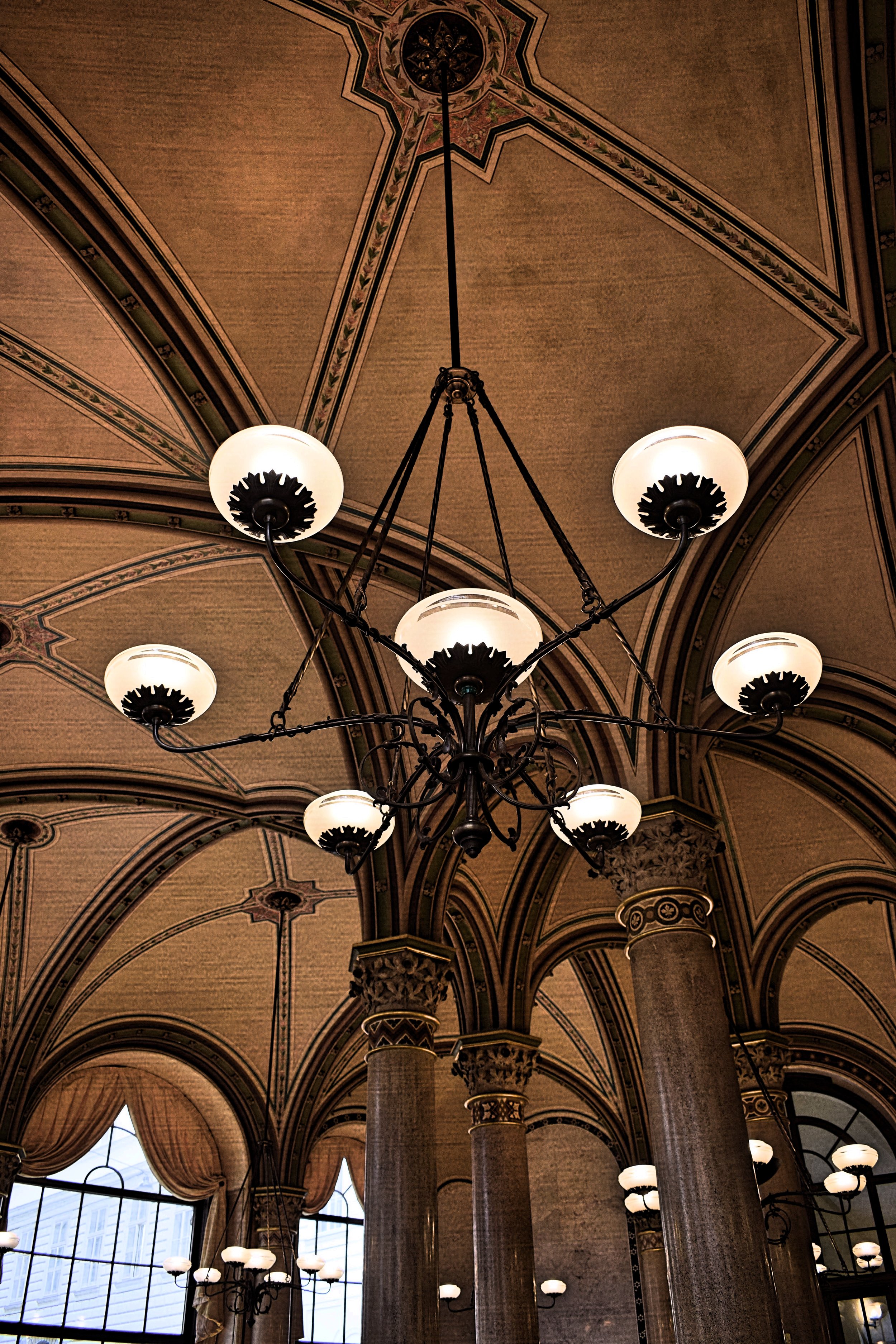
  • Vienna on a Budget

    My time in Vienna was a last minute add-on to a business trip I had last year in Bologna. I was looking to maximize the time I would be spending overseas and trying to prevent some lost productivity by jetting back and forth across 6 time zones over the course of 4 days (international road warriors, I don’t know how you do it!). My boss agreed to give me a couple of extra days on my round trip transatlantic flight (and I saved the department about $600 by doing it!) and I decided to hop an inexpensive round-trip flight on Austrian Air and explore Vienna on my own dime for a few days.

    The first thing I always research when going to a tourist destination city is the entry fee for all of the museums and attractions I want to go to. I’m very spoiled living in Washington, DC, where all of the Smithsonian Museums are free of charge, and I got a rude wakeup call during my last trip to Paris, where my ticket to the Louvre set me back €15, which was approximately 21% of my daily budget. In some cities, buying their city pass will save you more than the value of the card. To continue my Parisian example, I spent €15 on my entrance fee to the Louvre, €12 on admission to the Musée d’Orsay, €20 on admission to Versailles, and €10 on admission to the Rodin Museum; where the 2-day Museum Pass costs a total of €48 euros and would have granted me free entry to all of these museums (and another 46 museums and attractions in and around Paris). So lesson learned, I always do my research before arriving in-country.

    Vienna is home to a host of cultural sights and museums, and you can snag deals on all of them if you know when to go and where to look. Below is a list of where I went and what discount I leveraged to get the price I paid.

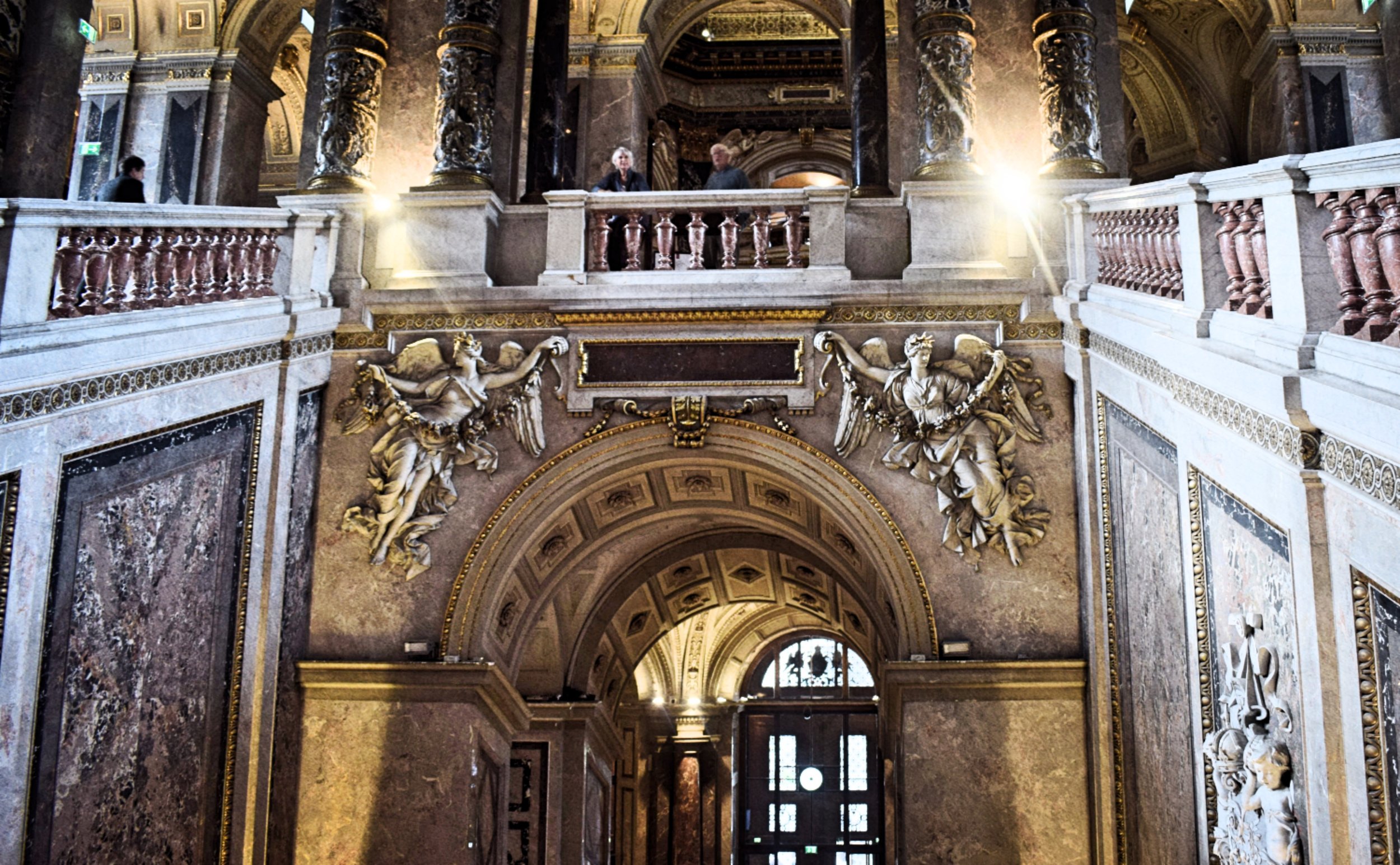
    • Treasures of the Hapsburgs Ticket, €20 (Includes entrance to Kunsthistoriches Museum and the Imperial Treasury, €26 if purchased separately)
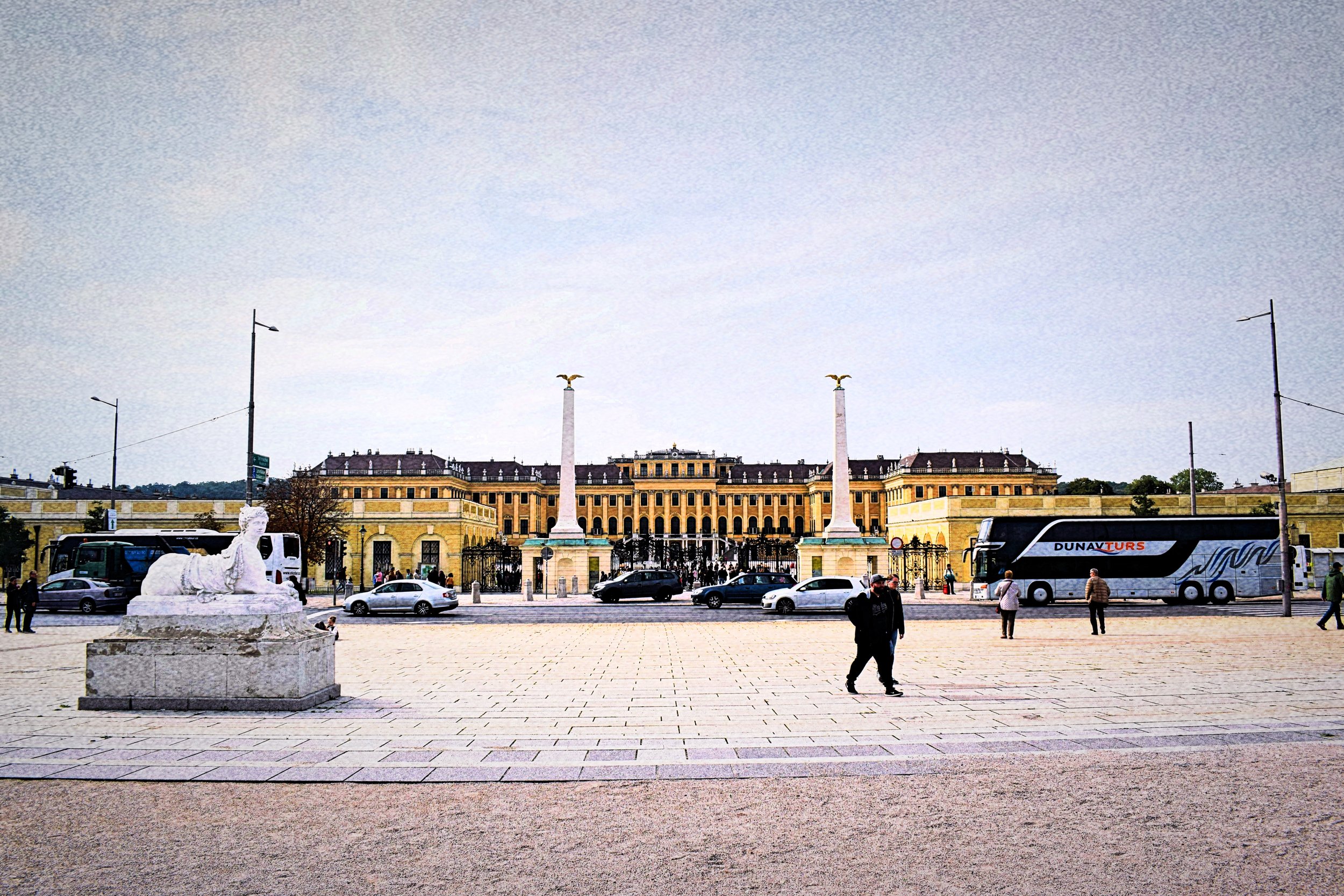
    • Sisi Ticket, €29,90 (Includes one entrance each to Schönbrunn Palace, the Imperial Furniture Collection, and the Hofburg Palace to view the Imperial Apartments, the Sisi Museum, and the Imperial Silver Collection; €40,90 if purchased separately)
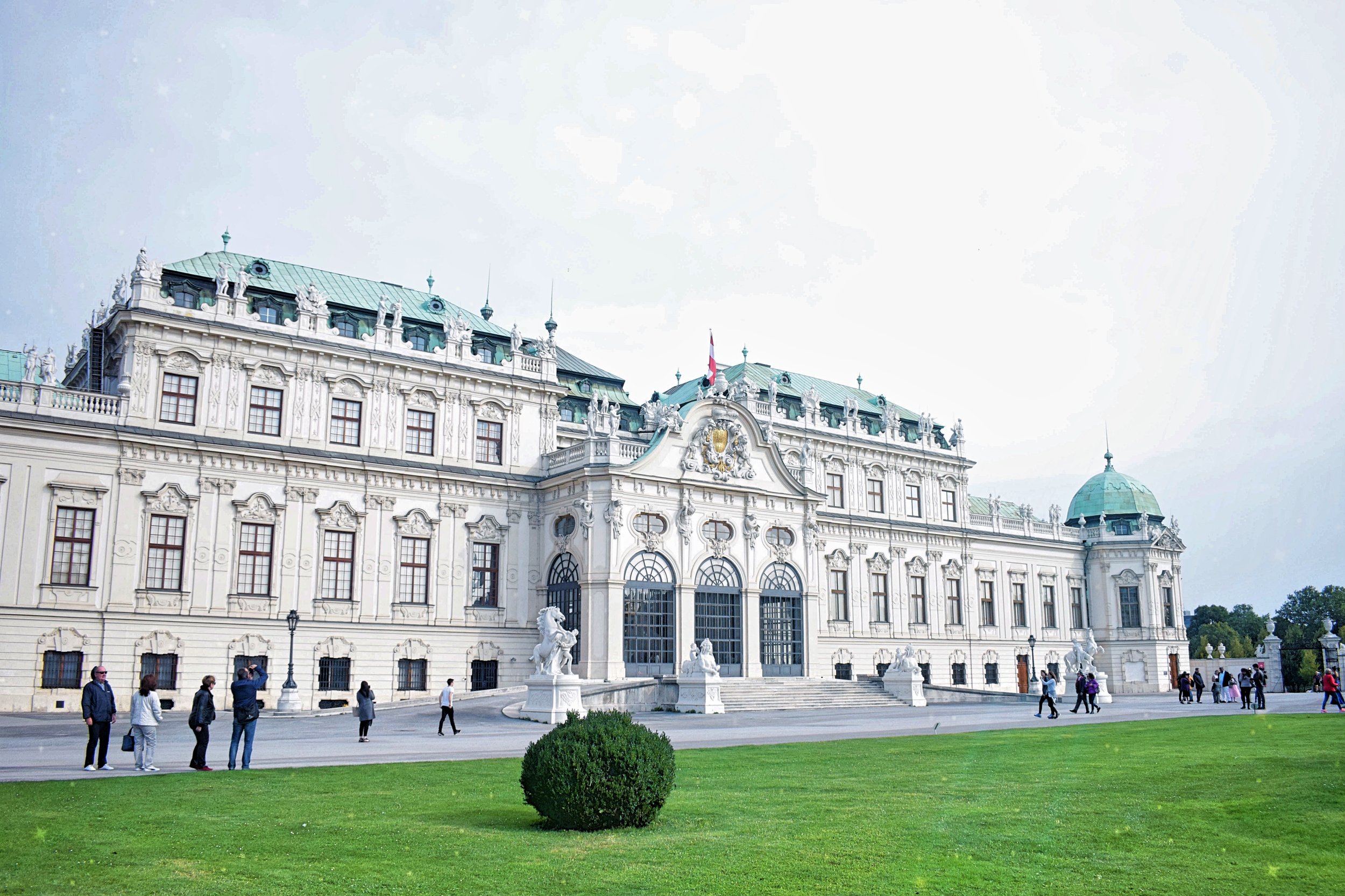
    • Single Upper Belvedere Ticket, €15 (You can purchase a combined ticket to view the rotating exhibits in the lower Belvedere, but if you’re more interested in just the permanent collection and the Klimts, it’s not worth the extra €7)

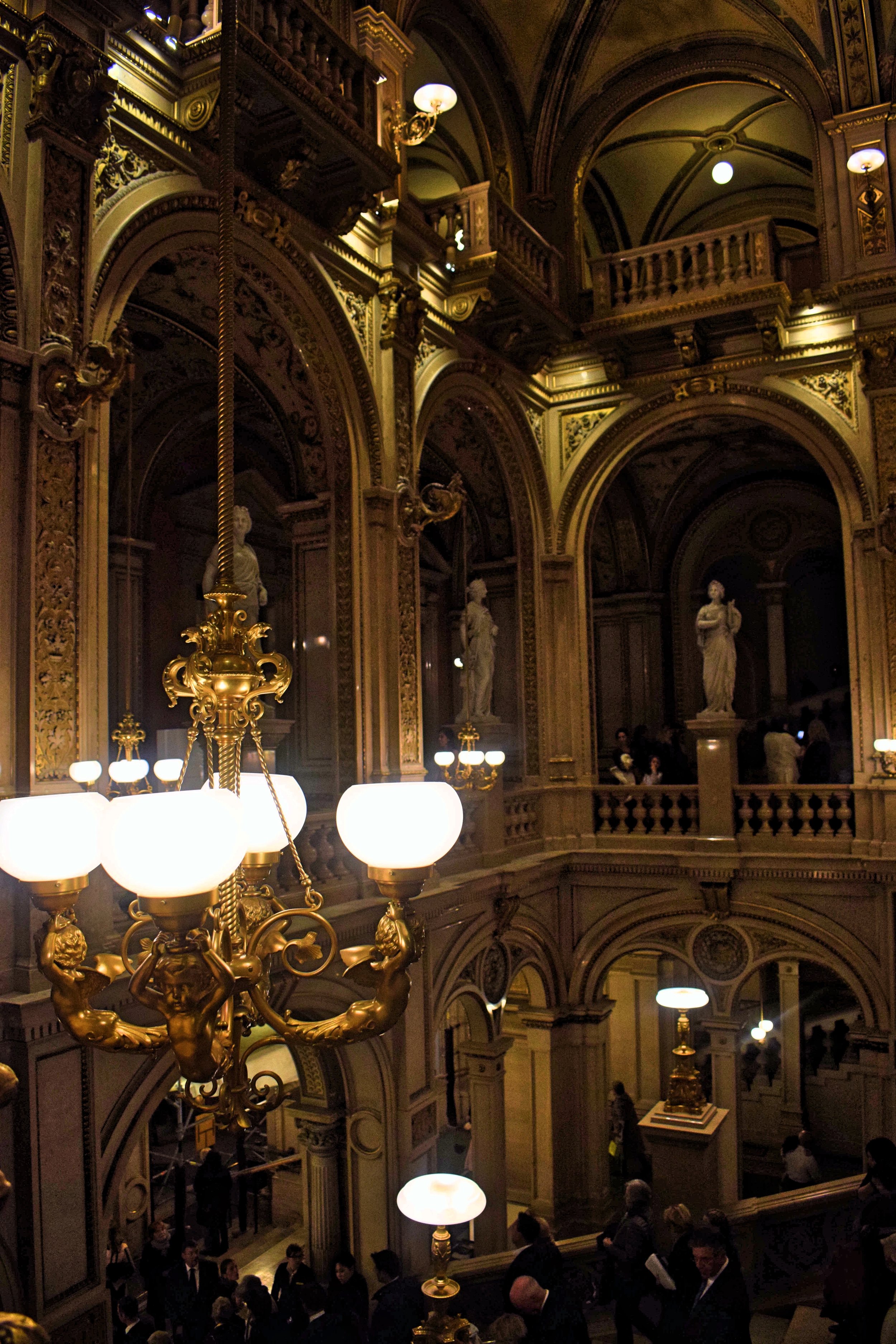
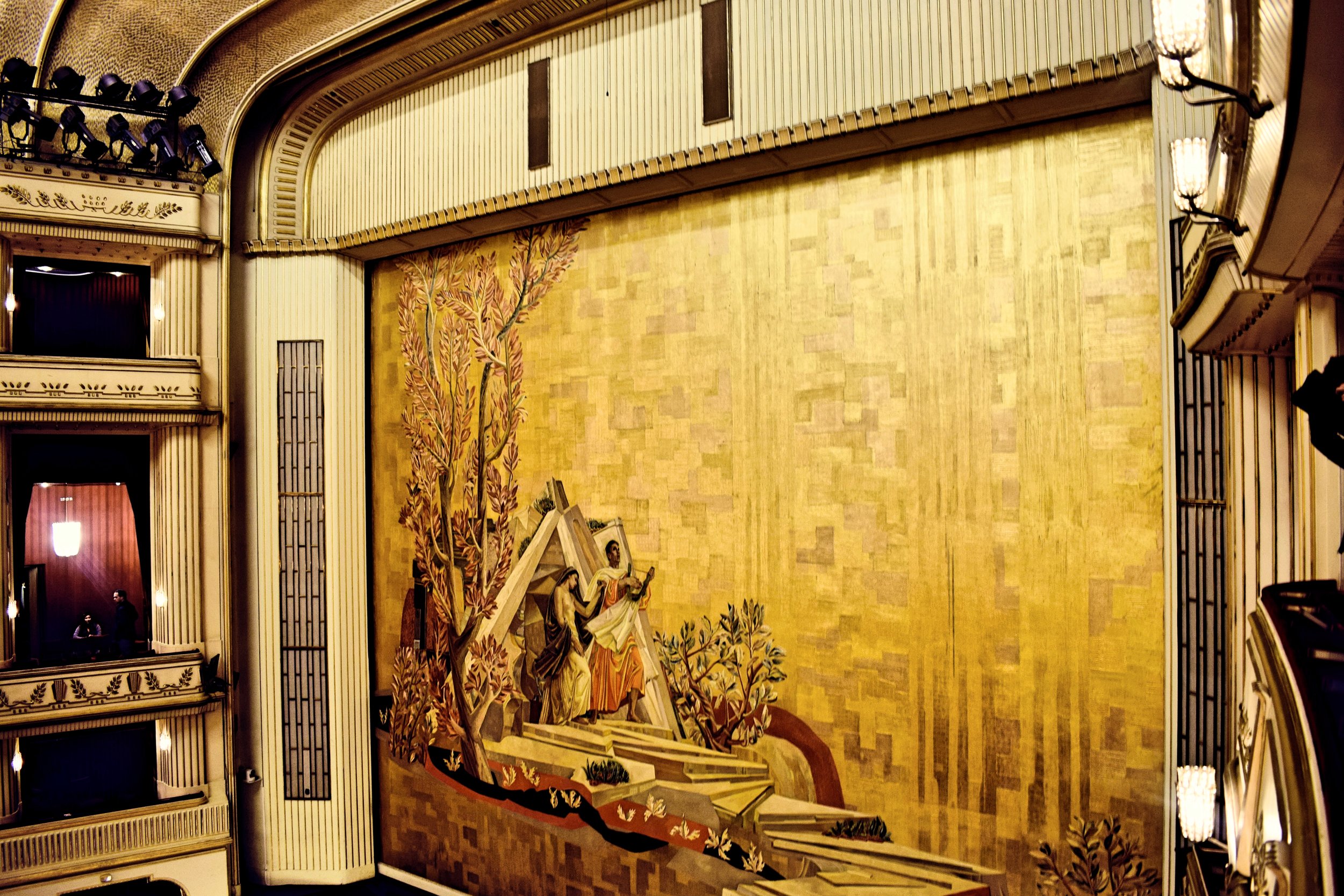
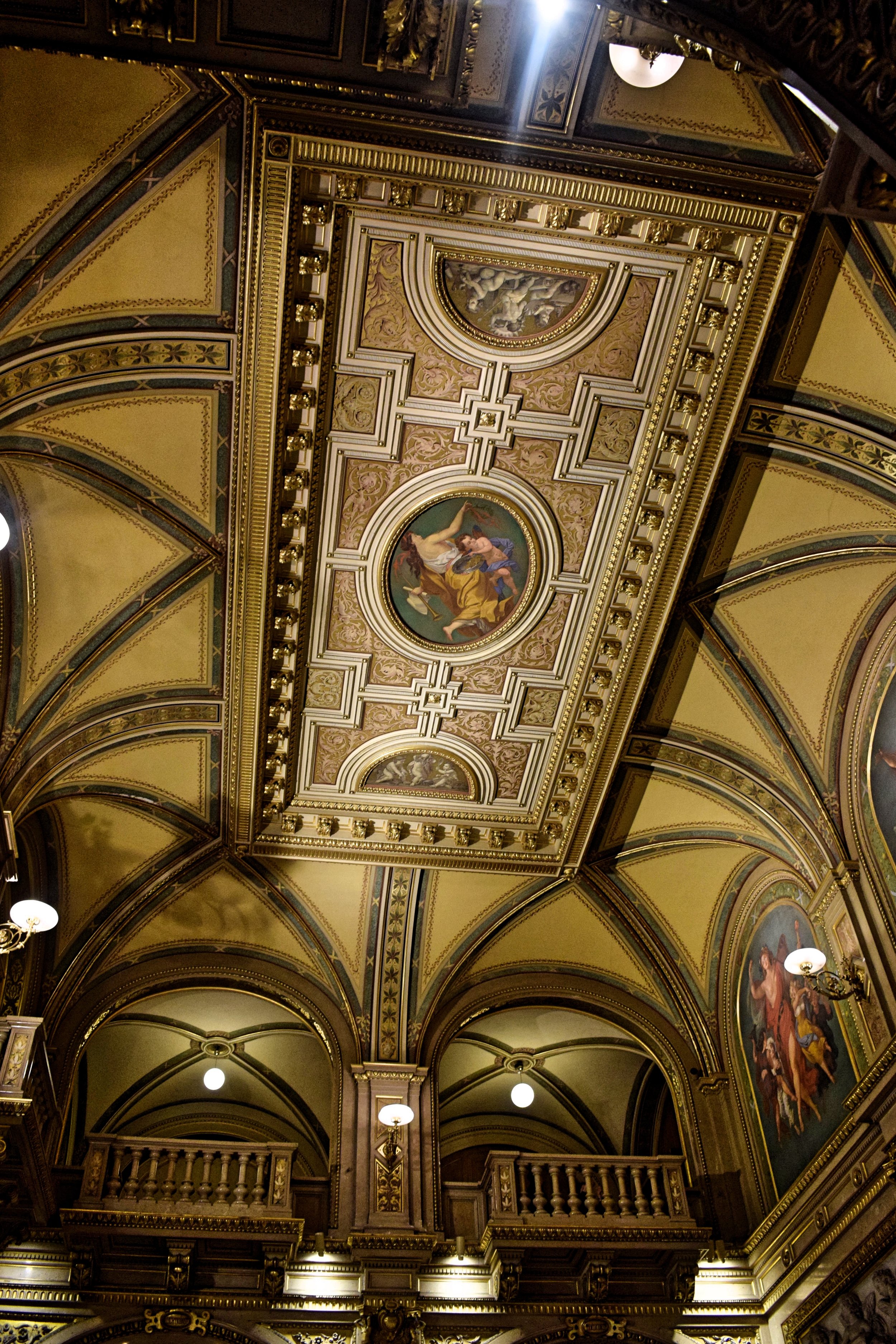
    These tickets were enough, in combination with a discount ballet ticket (which got me into the Opera House and I got to see a show for €11!), to keep me occupied for the three days I was in Vienna. I also bought a 72-hour transit pass for €17,10, which allowed me to hop on and off trams, buses, and the underground without worrying about having exact change or fiddling with the ticket machines in the train stations. I was able to get around the city fairly easily and it worked to get me out to Schönbrunn as well, which is quite a ways out from the city center.

    Besides discount tickets, I also saved a bit by staying in a Pensioner hotel. When I first booked my room, I wasn’t quite sure I’d qualify to stay. It turns out pensioner hotels are like a half step between having a private room in a hostel and staying at a traditional hotel, and they’re for people of all ages. I had my own room and an ensuite bathroom, but breakfast was not included and there was no turndown service while I was staying with them. All of the basics were included in my room, including linens, towels, and mini-toiletries, and given the central location, it felt like a steal at €68 (inclusive of taxes) a night. Most of the hostels in the area only offer private rooms, and they run closer to the €80-100 range. If I wanted a more traditional hostel experience at a lower price, I would have had to be much further from the center. My hotel was just off of Neubaugasse and was a ten-minute walk to the Ringstrasse.

    For Viennese locals and frequent visitors, what are your best tips for saving money while still experiencing all of the splendor of Vienna?

  • Snapshot: Vienna

  • Field Notes: Napping Stations and Customs Fast Track

    I just wanted to drop a quick update from the road. I’m still recovering from my first international business trip but I had to share two really awesome things from my trip asap.

    First being Yotel. They are a service that allows you to book sleeping cabins for a fixed amount of time so you can get a nap and a shower in between flights or during your travels. They have these small suites (7 sq m/75 sq ft) that have a single bed, a fold down table/desk, and a small bathroom. Since I am just completely unable to sleep on planes, this was a godsend when I had a 13 hour layover at Heathrow. I was able to make a reservation while I was on line for border control, check in, set my alarm and get in a good quality nap and a shower for about $50. You can find more information about them and their 8 locations here: www.yotel.com. I would recommend this for anyone who needs some sleep post-red eye or who has to stay at the airport overnight to catch an early morning flight.

    The second being Mobile Passport. This is a new service rolled out by Homeland Security that asks you the same questions as the APC machines and lets you submit this data instantly. The best part is, completing using their app allows you to skip the APC queue and puts you in a fast track lane to talk to a border agent and get your passport stamped that much faster. I was able to submit my form while I was waiting to deplane and I only waited in line for about 5-10 minutes before getting through customs. You can find more information about the service here, including which airports/ports are using it and if you’re eligible to do so: www.mobilepassport.us,

    I’m very excited to share my first international business trip experience with you as well as my first time in Vienna; but it will have to wait until my checked luggage with my laptop arrives back from Europe.

    Until next time!

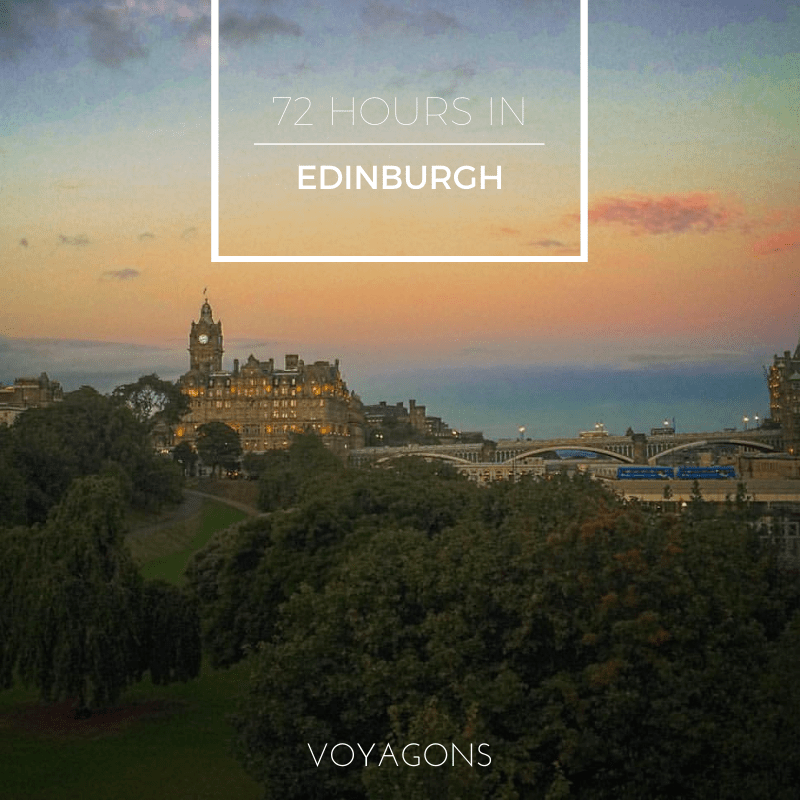
  • 72 Hours in Edinburgh

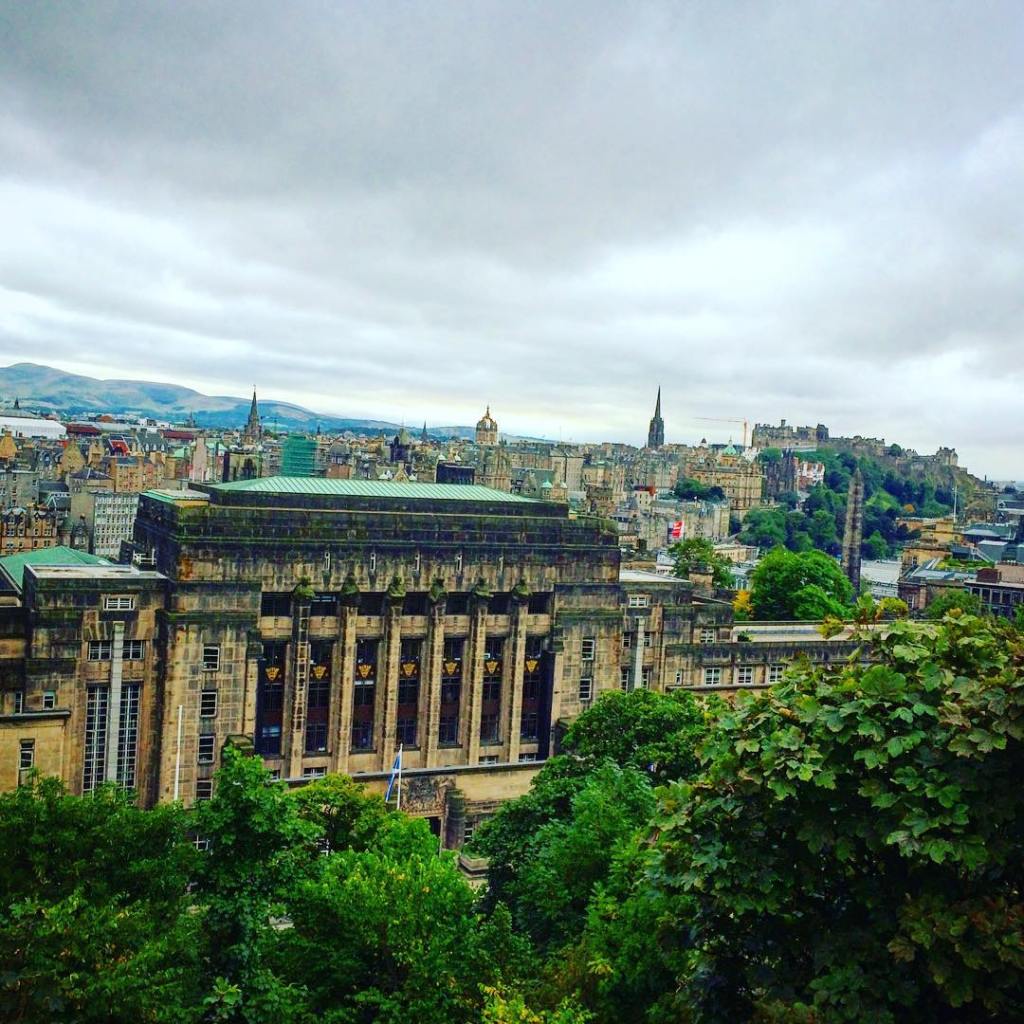
    Oh, Edinburgh. I did not know how much I would come to adore this city. It was the midway point for our holiday to Dublin and London, and it was more planned for tasting scotch and haggis. But then, as the train pulled into the station and we climbed a mountain’s worth of stairs, we came to view this beautiful city and fell in love. Edinburgh is a history lover’s dream, the old city is surrounded by significant parts of the Scottish past and the city caters to those who wish to learn all about it. I was also amazed by just how much green space there was in and about Edinburgh. Gardens and parks are littered throughout the city and provide a great contrast to all of the old stone buildings and walkways.

    Airbnb recommendation: Old Town Hidden Castle Gem

    Day 1: A bit of politics and a bit of scotch

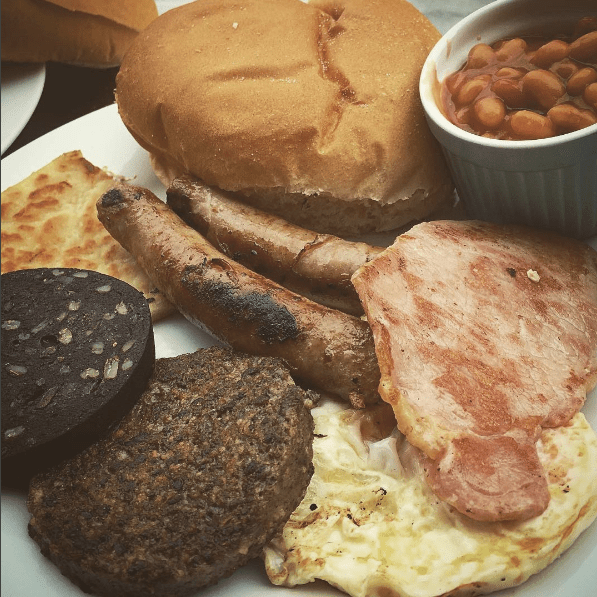
    I would recommend starting your day with a traditional Scottish breakfast. Mum and I ended up at Breakfast, Brunch and Lunch (at 65 Pleasance), this adorable little streetside cafe who caters mostly to University of Edinburgh students, but we had an incredibly delicious full Scottish breakfast. It’s in the Holyrood district which has some great cafes and my favorite Scottish bakery (Pinnies and Poppy Seeds) and for those of you who are more politically minded, the queen’s residence is on the edge of this district next to the Scottish Parliament. You can tour the Scottish Parliament Monday through Saturday from 10-4, if you want to take a guided tour, you can sign up here. For those of you who are less politically inclined, there is a fantastic hike located in the same area. The hike to Arthur’s Seat starts in Holyrood Park. It’s an approximately 3 mile hike that should take about 2 hours to complete, there is a bit of rugged terrain, so I’d recommend wearing sturdier shoes for this hike. After you’ve finished your hike or tour, take some time to enjoy some local pub fare. There’s a great pub in Holyrood on the way back down the Royal Mile called The Holyrood 9A, stop in for a bite and a pint before heading into Old Town.

    If you are a scotch drinker, there are two fantastic ways to spend this afternoon. You can either visit the Glenkinchie distillery which is just a half hour outside of Edinburgh or do a scotch tasting at the Whiski Rooms. Mum and I did the distillery tour and had such a lovely time. The folks at Glenkinchie are very knowledgable about their process and very passionate about whiskey making. The distillery tour taught us a lot about both the science and art of making a fine scotch. They offer a shuttle service twice a day from the city for those who would like to tour their facility and taste their products. You can find out more about their facilities and tours here. If you prefer not to leave the city, Whiski Rooms (at 4-7 North Bank Street) has a great selection of scotch whiskies and offers tasting flights with one of the best views of Princes Street Gardens. Once you’ve had your fill of scotch for the day, head down Bank Street to the Cellar Door for supper. The Cellar Door offers a gourmet take on traditional Scottish food. It’s a small, quiet restaurant that’s midway between fast casual and high end, so you should feel comfortable dining there in your touristing jeans and trainers. I would highly recommend the North Atlantic beer battered haddock, it’s a tastier, fattier white fish that adds that much more deliciosity to traditional fish and chips. If you’re looking to knock a few pints back, there’s a pub just down the road called Greyfriars Bobby that’s been about since the mid 19th century that’s worth popping into if you’re so inclined.

    Day Two: Old City, Old Sights

    We’ll start our second day in Grassmarket, at the very bottom of the castle grounds. There’s a great breakfast place called La Barantine Victoria that does a fantastic latte and it’s not far off our first stop for the day. For those of you who either are really into history (particularly the drama of succession of the British crown following Henry VIII and Elizabeth I) or love well done museums, the National Museum of Scotland is a must see while in Edinburgh. It’s a very large museum spanning two connected buildings (the National Museum and the Royal Museum) that covers the history of Scotland and contains so many fascinating collections of artifacts. It is a large museum, but the collections are well curated to prevent boredom or fatigue. For when you’re ready for a break for lunch, The Elephant House (yes, the cafe where JK Rowling wrote Harry Potter) is just round the corner from the museum and has a great selection of midday bites and coffees. Their prices are very reasonable and it isn’t often terribly crowded, and they have a children’s menu that even the fussiest eater could find something they like on.

    Once you’ve had your fill from lunch, head down to Princes Street. There are two great museum options that flank either side of the gardens. Before heading to either, take a leisurely stroll along the gardens and check out the Scott Monument (it’s a large black structure you aren’t likely to miss if you’re in the gardens facing Princes Street). 287 steps up the monument that honors Scottish author Sir Walter Scott will give you one of the best views of the city. It’s well worth the trek if you don’t plan on schlepping out to Calton Hill. If you’re feeling up to taking in a bit of art, I highly recommend the Scottish National Gallery. They had a fantastic impressionism exhibit on when I was there and their permanent collection is fairly impressive. If you’d rather make it a full history binge, you can make your way toward the Castle to check out the National War Museum. Though hardly all-encompassing of Scottish military history (it only starts with the 17th century), it’s done in a similar fashion to the Imperial War Museum in London and is a great museum for military history buffs. It also serves as a great jumping off point for our final destination for the day: Edinburgh Castle.

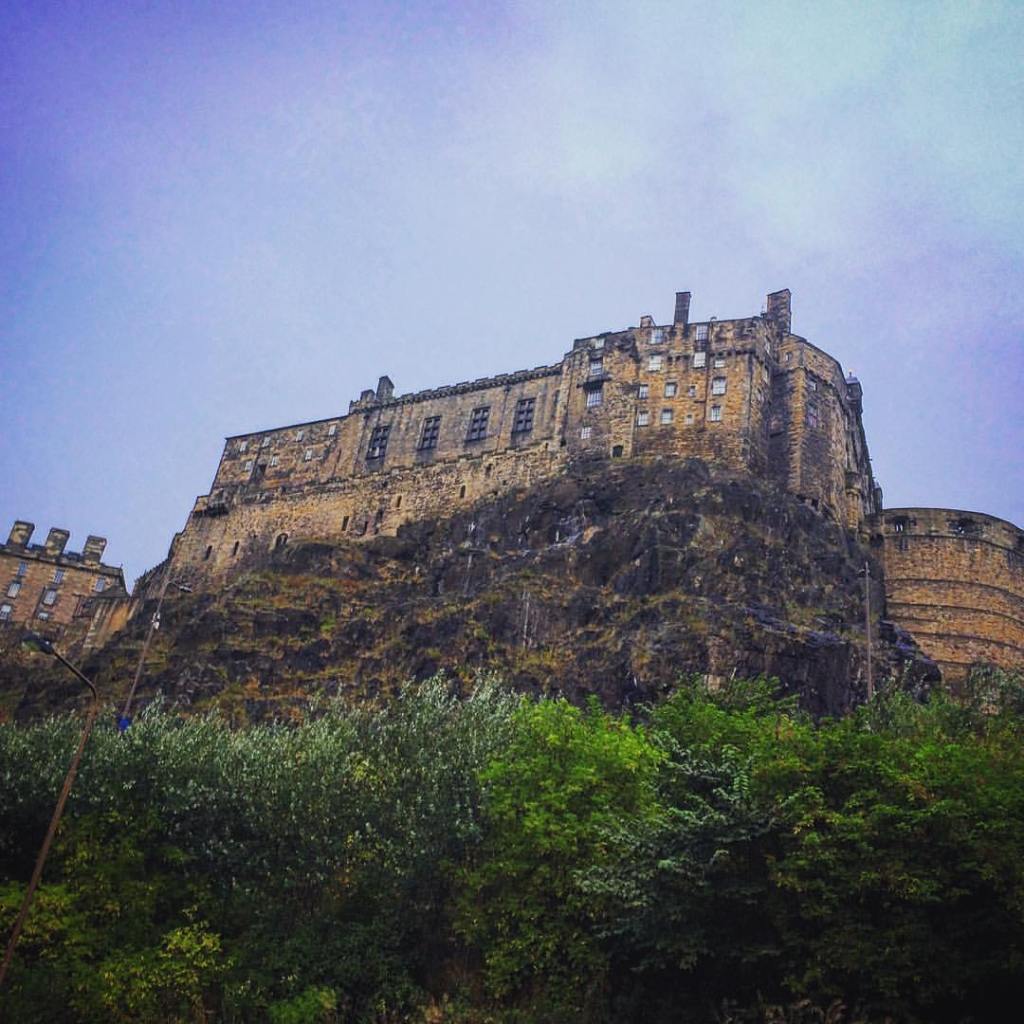
    Arguably the crown jewel of sights in Edinburgh, the Castle sits atop one of the highest hills in all of Edinburgh. Their website is quite comprehensive and even offers sample itineraries depending on how long you’d like to visit for. Things definitely not to miss: The Stone of Destiny, St. Margaret’s Chapel and the panoramic views of the city from the north battlements. You can take the steps all the way down from the Castle to Grassmarket if you’d like to end your night at a pub there. My mum and I thoroughly enjoyed the fare at The White Hart, which has been in business since 1740, and is reportedly one of the most haunted pubs in all of Edinburgh.

    Day Three: A Whole Lotta History

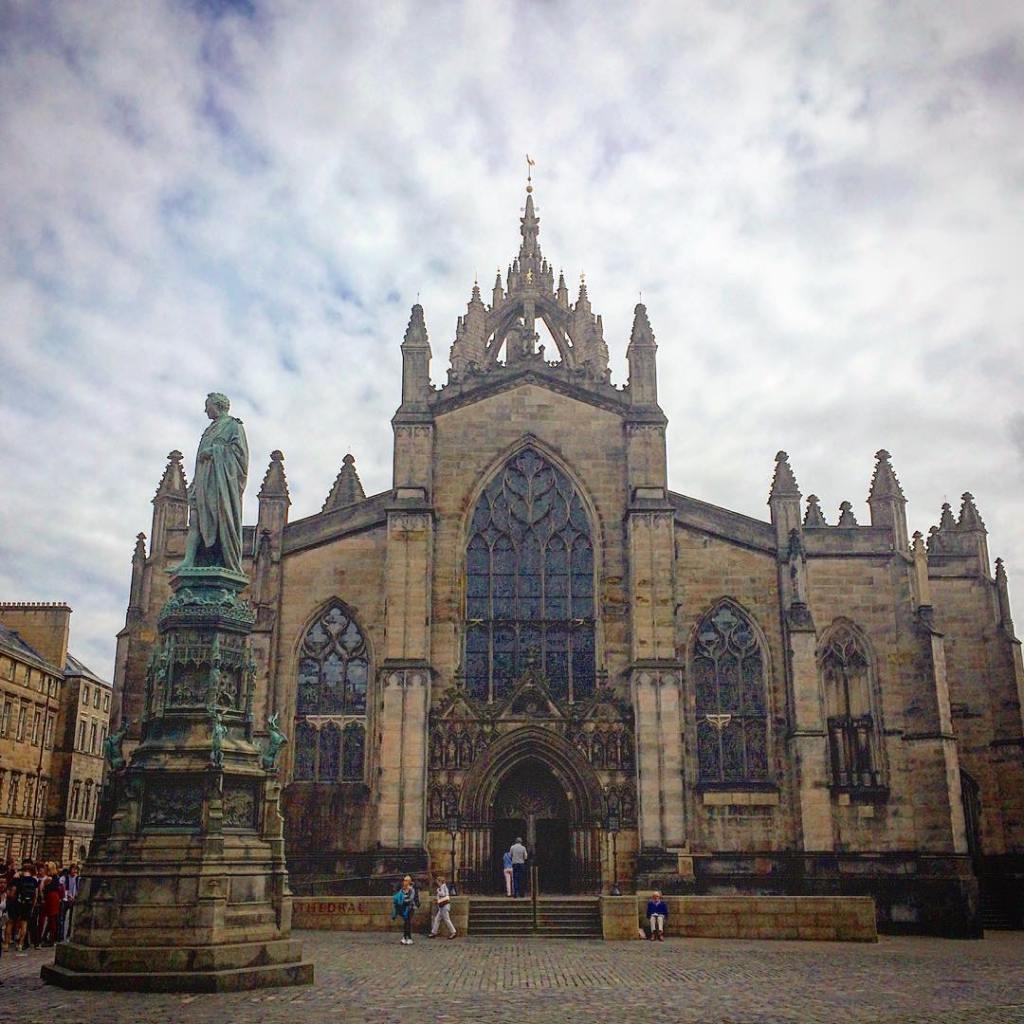
    Today will be quite a bit of walking, so make sure to fuel up with a good breakfast and a strong coffee. I recommend Cafe on the Mound, as it’s well loved by locals and it’s in close proximity to where we’ll start the day. Once you’ve finished your meal, head down to St. Giles Cathedral (pictured below). Known for it’s intricately designed crown spire, it’s also the original church for the city of Edinburgh. It’s free to explore the chapel and look at the lovely stained glass, and if you happen to be in Edinburgh in the summer, there are £6 per person rooftop tours. Normally I’m of a mind to avoid overly-touristy areas, but there’s one that I’ll make an exception for in Edinburgh only because it’s so well done. Just beyond St. Giles Cathedral is the unassuming entrance to “The Real Mary King’s Close.” It’s definitely a bit kitschy, but having been thoroughly researched and preserved and having fantastic actors definitely makes this a worthy stop along your Edinburgh journey. A guide actor will take you on an informative and interactive tour of the very well preserved former streets of Edinburgh. This will transport you back to 17th century Edinburgh and you’ll probably learn a bit more of Edinburgh’s history than you ever know you wanted to. I’d recommend booking your tickets in advance as they fill up quickly in the high travel seasons.

    For lunch I’d recommend popping into one of the many cafes and sandwich shops along High Street. If you’re really craving something simple/familiar, there’s a Pret round the corner on North Bridge. Once you’ve had your fill, head across North Bridge and hook a right on Princes Street/A1. Stay on the north side of the street until you get to a set of steps on your left. I will warn you now that this last sight is a bit of an uphill hike and is not for the faint of heart. If you follow the steps, they lead up a steep path that winds its way around until you reach the National Monument of Scotland. Wander about the top of Calton Hill and enjoy the beautiful views of the city, but make sure you stop at the Nelson Monument and the Dugald Stewart Monument to get picture perfect shots. 

    Once you’ve had a thorough look over of the views at Calton Hill, treat yourself to a delicious dinner. If you’re still keen on having sweeping city views, you can’t go wrong with Tower Restaurant, but if you’re planning to catch a show in the evening, you really must check out Zucca (they do fabulous Italian fare and have a special pre-theatre menu).

    This ends my best advice for spending three days in lowland capital. If I missed something absolutely essential, feel free to send me a note. I’m always open to including new recommendations.

  • Lessons Learned: What to do When Your Flight is Cancelled

    I know everyone in the travel community is buzzing about the recent violent removal of a passenger from a United Airlines flight, and for the record, I think it was handled very poorly and that the man in question, regardless of his past, deserved to be treated with basic human decency in that moment. And United’s initial responses to the event were inhumane and show an inability to connect with the average consumer of their product. I’ve just dealt with my own experience with the Star Alliance folks in Europe (specifically Lufthansa and Brussels Airlines) and I wanted to share a bit of what I’ve learned in my three and a half month journey to be reimbursed for a cancelled flight.

    So, a bit of background: Jeff and I had a 6:45 AM flight out of Rome to Brussels to make a connecting 10:45 flight to JFK to get home. We didn’t want to waste our last precious hours in Rome, so we had stayed out fairly late the night before and hadn’t slept much before heading to Fiumicino (I booked a cab through RomeAirportCabs.com, they were fantastic!) at 4 in the morning. So we’re at the airport, tired and getting through security in 10 minutes or less with a lot of time to sit around at the airport and wait for our flight. We finally board (a bit late at this point, maybe 6:30 or so) and while we’re on the plane, they have to restart the whole plane because of “mechanical malfunctions.” After deplaning us, sending us out through security, back in through security again (because the plane was “fixed”) only to finally let us know at 10 AM that the flight was cancelled, Jeff and I were reasonably frustrated. We then had to wait in one line where one ticket agent could use one computer to help all of the passengers from this flight find their way back home. Confusing part A: I booked my flight through Lufthansa; confusing part B: this was a Brussels Airlines flight. So, I reached out to Lufthansa on twitter to find out what to do and a comic modern interpretation of “Who’s On First” ensued with Lufthansa and Brussels Airlines punting responsibility for customer service back and forth. After finally getting on the phone with an agent and basically sobbing because I was so tired and so frustrated and so ready to go home, we were rebooked and assured that we would be reimbursed for our hotel and meal costs and to go ahead and get some rest. After another three months of back and forth with Lufthansa and Brussels Airlines customer service, here is what I have learned.

    1. The operating company for your flight is ultimately responsible for taking care of you. Regardless of how/where you booked your flight, that airline’s policies are the ones that will be used to guide agents on rebooking and reimbursement of costs. This became a bit confusing for my partner and I because Lufthansa and Brussels Airlines are part of the Star Alliance and we thought if they could cross book flights, that would mean they could share the burden of customer service as well. So if a flight is cancelled, make sure to run your requests through the operating service, not through your travel agent or even the company through which you originally booked.

    2. Stay. In. Line. If you don’t want to have to wait to be reimbursed for your expenses, regardless of how tired or frustrated you are, stay in line until the agent of the operating flight can take care of you. Part of what led to further frustration (and tears on my part) for us was a Lufthansa gate agent opening up her terminal and asking Lufthansa customers to see her. Since we had booked through Lufthansa, we thought we were Lufthansa customers. When we explained our situation to the Lufthansa gate agent, she politely refused to help us saying that she didn’t have access to the Brussels Airline database and therefore was unable to rebook that leg of our ticket or book us a hotel or give us meal vouchers.

    3. Know the regulations. Different countries, regional and economic blocs have different regulations for what happens when your flight is delayed. What I learned is that in the EU, if your flight is an inter-EU flight and is delayed for more than five hours, you are due 250 EUR for flights up to 1500km and 400 EUR for flight over 1500km. If you’re taking an international (overseas/outside of the EU) flight, that number rises to 600 EUR plus a refund of your ticket price. So before you travel, do some research in the event something goes wrong with your flight. And know that it is the country in which your flight originates that determines what regulations are considered (so the above regulations also apply to US carriers flying from the EU).

    4.Keep your receipts. I almost had to take my case to small claims court (a last resort if you can’t get a response from a company). In order to prove my case, I needed to have documentation of the costs incurred as well as the causal agent for these costs (my cancelled flight). So make sure you keep your boarding pass/ticket and all of the receipts from your hotel, any meals you have and any change fees you incur as a direct result of the cancelled flight. Of course all reimbursement is going to be subject to the regulations and policies of the airline, so make sure you’re familiar with those before you spend a lot in your tired/frustrated foggy state of mind.

    5.Don’t lose your cool. One thing I noticed in the midst of all of the running back and forth and confusion at the gate and with the gate agent being overwhelmed, the people who stood out were the people who were losing it. One woman spent 45 minutes with this only gate agent demanding an upgrade for herself and her husband thus increasing the frustration for the rest of us who were waiting just to talk to her. Another woman was in tears from the moment they cancelled the flight until she bullied her way to the front of the line to get rebooked sooner. It’s going to be frustrating and emotional, but just know that a little bit of niceness in a sea of anger can make a gate agent’s day, and that can often land you an earlier flight home, an upgrade or a better hotel voucher than your fellow passengers.

    Until next time, lovelies!

1 2 3 4
Next Page→

Voyagons

Blog at WordPress.com.


Loading Comments...
 

    • Subscribe Subscribed
      • Voyagons
      • Already have a WordPress.com account? Log in now.
      • Voyagons
      • Subscribe Subscribed
      • Sign up
      • Log in
      • Report this content
      • View site in Reader
      • Manage subscriptions
      • Collapse this bar